An emerging technology that fascinates me
Drive or be driven? That is the question
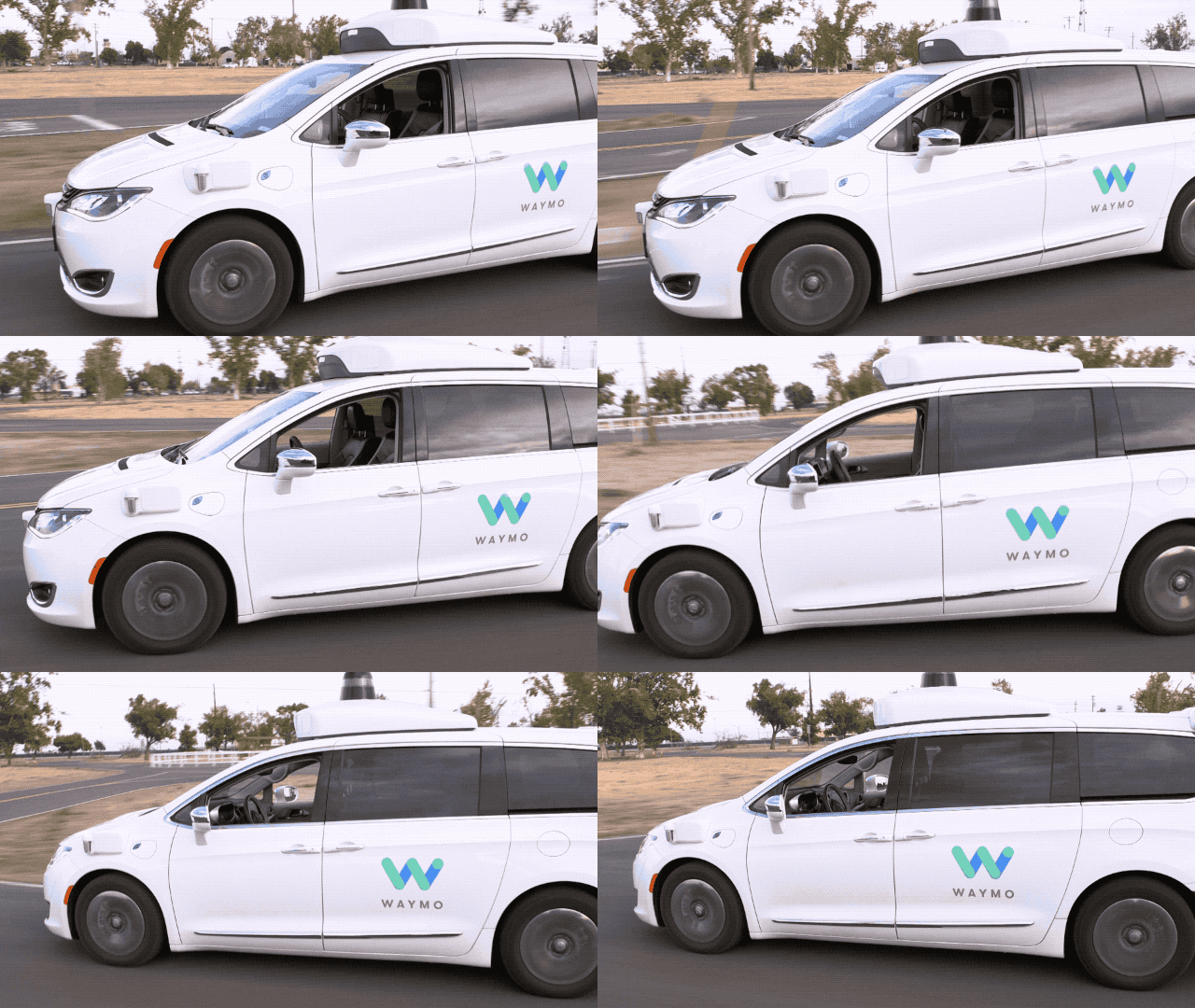
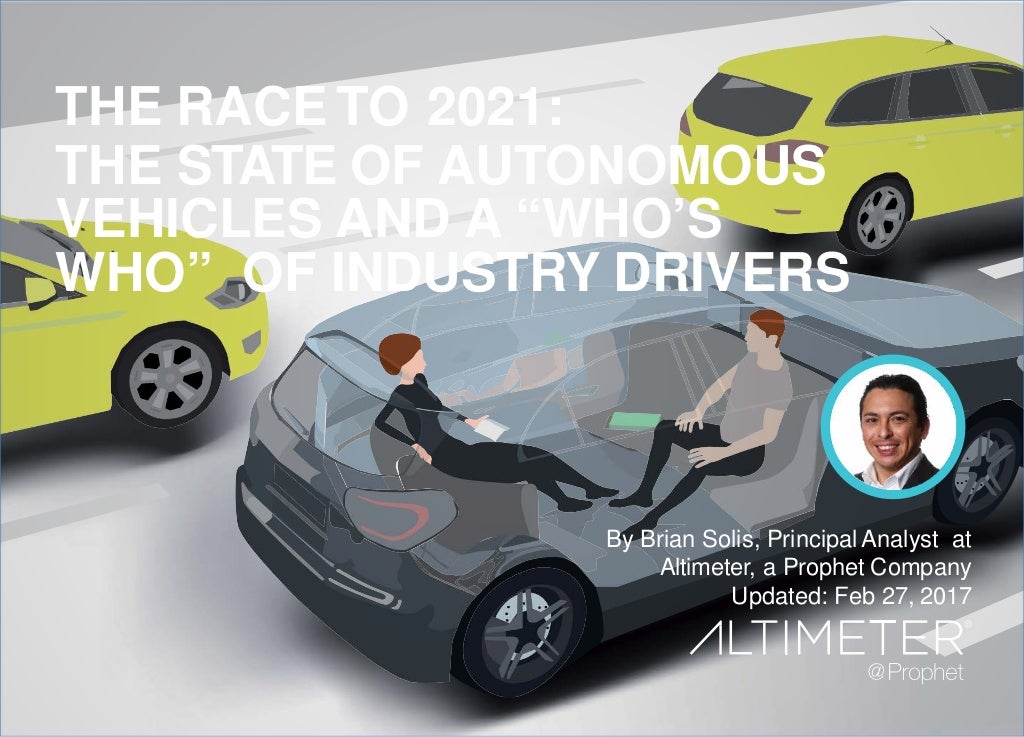
News headlines have recently been emphasizing companies like Tesla and Uber, technologies like self-driving cars, and a greener, more sustainable future through electric vehicles. It’s no secret that the auto industry is in the midst of a dramatic transformation. I’ve been fascinated by these changes and am curious how these emerging trends will play out in the forthcoming years or so.
The dream of taking a road trip in which we pay more attention to a new book or movie than we do to the driving task is well within reach.
For starters, we know that self-driving cars won't become commonplace overnight. The vast majority of cars on the road now have no automation features or only very limited automation, like cruise control.Some unknowns are fairly technical. How well will autonomous vehicles operate in rain or snow? And how will they handle changing conditions on unpaved roads which make up nearly majority of our country`s road.Will self-driving cars help to ease traffic congestion, or make it worse?
Will self-driving cars make our roadways dramatically safer? Most crashes result from human error, so it seems logical to assume that removing humans from the process reduces the likelihood of a crash.
And what about liability? If a car with no driver is involved in a crash (yes, that happened), who's at fault? For the time being, the onus is on the human driver who must remain alert and be ready to take over vehicle operations.
Ways that driverless cars will change the world-
Safety - No matter what we like to believe, humans are no good at driving. Unlike us, driverless cars will never drive drunk and will not be able to speed, take reckless chances or race their mates away from traffic lights. In short, they will be a lot, lot safer than we are.
Parking - No longer will it be our problem to find a space – our car will handle it. Once we arrive at our destination we will hop out at the front door and leave the car to wait for us to summon it later with our smartphone.
Free time – Think of the time you waste driving a car. Hours a week, thousands of hours a year. Sure, some of that is enjoyable – the windy country road on a summer’s day – but the vast majority is a tedious.
Highways – If we can solve congestion, perhaps we won’t need to continue digging up the country’s green spaces to create ever larger roads which, in turn, encourage more traffic.
Cost – Buying, insuring and maintaining a car is expensive. So why not let someone else do it? The future of driverless cars is likely to include sharing schemes, smart taxi firms and affordable leasing options – cars will be more productive, more of the time, rather than spending 99 per cent of their lives motionless outside your house.
School run – Perhaps the best thing about driverless cars is that people won't need a licence to operate them. Children can drive themselves to school. Unless it’s only a short way, of course, when they should be walking or cycling.
In Conclusion
From reduced carbon emissions to productivity gains, autonomous cars are the future. There are a lot of ways these cars can not only affect the event industry, but also the ease of our personal lives.
However, while self-driving cars are one of the most disruptive trends we’ll be dealing with over the next couple of decades and their potential is exciting, there is still a long way to go until we fully understand their capability and benefits.


Comments
Post a Comment